

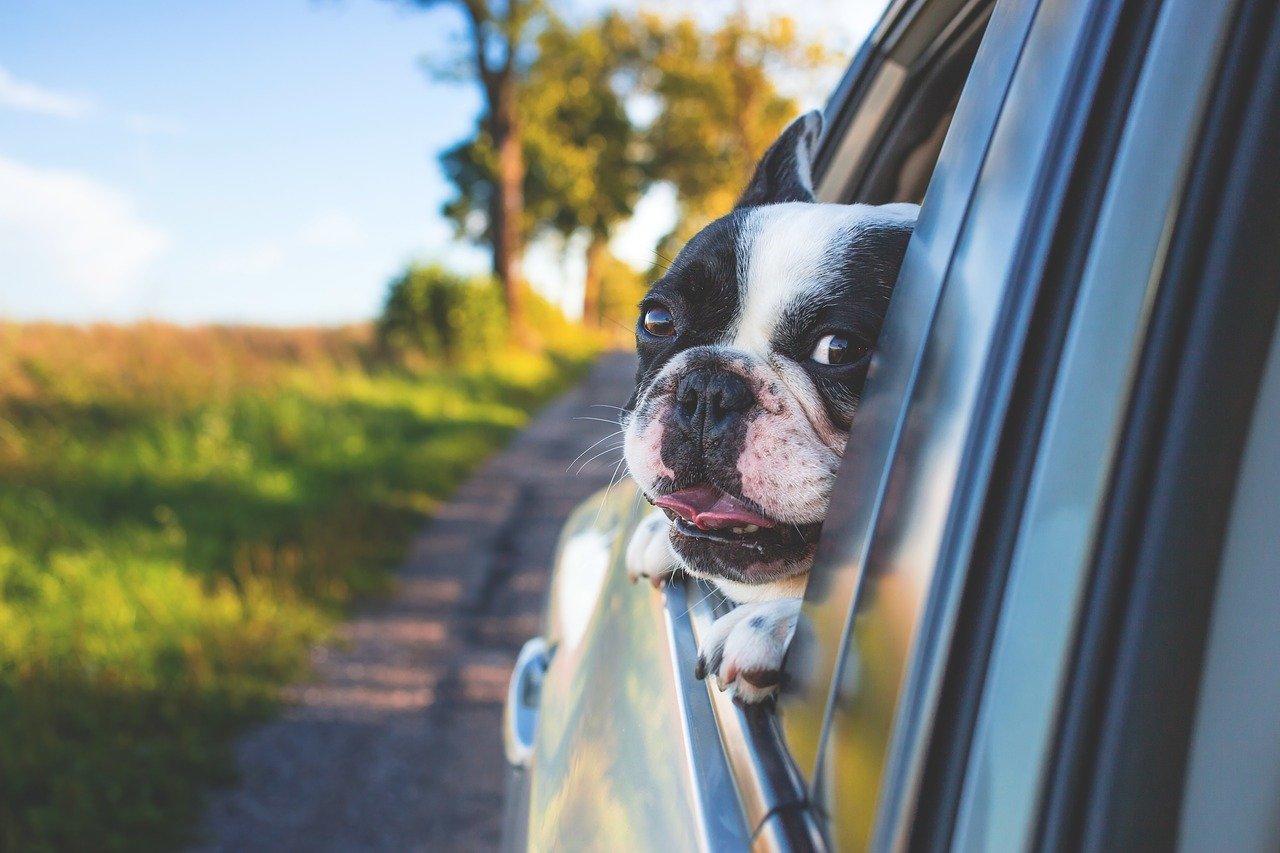
Dog owners can travel comfortably with their dogs throughout the year when they plan around weather, transportation rules, health needs, and the conditions at their destination. A summer road trip, snowy cabin weekend, or international vacation can each introduce different risks, but the basic strategy stays remarkably consistent: prepare early, know your dog’s limits, and confirm the rules before leaving home.
Traveling with a dog is less about finding places that merely permit pets and more about choosing a trip that works for the animal traveling with you.
The Short Version
Good dog travel starts before the suitcase comes out. Confirm that accommodations really are dog-friendly, check transportation and destination requirements, keep identification and health information accessible, and plan food, water, exercise, and rest around your dog’s normal routine.
Weather matters, too. Hot pavement and parked vehicles can become dangerous during warm-weather trips, while prolonged cold exposure can pose problems in winter. The best destination is therefore not necessarily the place with the longest list of pet-friendly businesses. It is somewhere your particular dog can safely enjoy.
Four Seasons, Four Different Travel Plans
Spring
Pack towels, check weather forecasts, and plan for muddy walks and changing temperatures. Assume mild-looking weather will remain consistent all day.
Summer
Carry water, seek shade, schedule outdoor activity for cooler periods, and test pavement before long walks. Leave a dog unattended in a parked vehicle or push strenuous activity during extreme heat.
Fall
Take advantage of cooler walks and inspect your dog after outdoor adventures. Forget that shorter daylight hours can affect hiking and walking plans.
Winter
Bring appropriate bedding and, when your dog needs them, protective clothing or paw protection. Assume every breed or individual dog tolerates prolonged cold equally well.
The principle behind the table is simple: seasonal conditions should change the itinerary, not just what you pack.
Build the Trip Around the Dog
A destination labeled “dog-friendly” can still be a poor fit for an individual dog. A busy downtown filled with dog-welcoming patios might overwhelm a dog that dislikes crowds, while a remote hiking destination may be unsuitable for a dog with limited stamina.
Before booking, investigate the complete experience. Look for lodging with clearly stated pet policies, nearby places for bathroom breaks and exercise, veterinary care within a reasonable distance, and activities where your dog can actually accompany you.
Dog-friendly destinations can include walkable cities, beach communities with designated dog-access areas, cabin regions, campgrounds, and outdoor recreation areas. Rules differ considerably, however. A beach may restrict dogs by season or time of day, and parks or trails may have leash requirements or prohibit dogs from particular areas.
Always check the official rules for the specific property, park, beach, campground, or attraction before arrival.
The Pre-Departure Dog Travel Checklist
Use this routine whenever you travel:
1. Check your destination’s pet rules. For international trips, begin well in advance because individual countries establish their own entry requirements. USDA APHIS notes that the process can take anywhere from weeks to months depending on the destination.
2. Talk with your veterinarian when appropriate. Confirm vaccinations, medications, and destination-specific health requirements.
3. Verify transportation policies. Airlines can impose requirements in addition to government entry rules.
4. Confirm lodging details directly. Ask about pet fees, size or number restrictions, unattended-pet policies, and designated relief areas.
5. Pack the familiar essentials. Bring food, water supplies, medications, leash or harness, waste bags, identification, bedding or another familiar item, and any necessary travel restraint or carrier.
6. Plan stops before departure. On road trips, build water, bathroom, exercise, and rest breaks into the route rather than improvising them after your dog becomes uncomfortable.
The result is a trip with fewer surprises for both dog and owner.
Put the Paperwork in One Place
Pet records become particularly important when home is hundreds or thousands of miles away. Keep your dog’s medical information organized digitally so vaccination history, medication details, veterinary contacts, and other important documents can be located quickly.
PDF copies can also make it easier to keep health records and microchip information together on a phone or secure cloud account. If those records have accumulated as separate files, free online tools can combine them into a single document for simpler storage and sharing; Adobe Acrobat’s online PDF merger is worth a look for that task.
Digital copies are useful backups, but don’t automatically treat them as replacements for official documents. International destinations can require original paperwork to accompany the animal.
Small Habits That Prevent Big Travel Problems
Keep a few rules consistent regardless of the season or destination:
● Don’t introduce unfamiliar food simply because you are on vacation.
● Do maintain regular water, feeding, medication, and bathroom routines where practical.
● Don’t assume “pet-friendly” means dogs are allowed everywhere on a property.
● Do keep identification and microchip contact information current.
● Don’t let a packed itinerary eliminate your dog’s normal opportunities to rest.
● Do locate an emergency veterinary clinic near your destination before you need one.
Consistency is especially valuable during travel because dogs are already processing unfamiliar smells, spaces, people, and routines.
A Reliable Starting Point for Border-Crossing Trips
For U.S.-based owners planning international travel with a dog, the USDA Animal and Plant Health Inspection Service Pet Travel portal is a useful official starting point. It provides destination-specific information and explains health certificates, vaccinations, testing, treatments, and endorsement procedures. Requirements can change, so USDA recommends checking the destination every time you travel.
For dogs returning to or entering the United States, owners should also check current CDC requirements.
Frequently Asked Questions
How early should I prepare for international travel with my dog?
Start as soon as the trip becomes likely. Requirements vary by country, and USDA says preparation may take weeks or even months.
Does my dog need a health certificate for every trip?
Not necessarily. Requirements depend on the destination and type of travel. U.S. states and territories can establish their own interstate animal-health requirements, while foreign countries set their own entry rules.
What makes a destination genuinely dog-friendly?
Look beyond a “pets allowed” label. Suitable lodging, accessible exercise areas, reasonable weather, appropriate activities, clear local rules, and nearby veterinary care all contribute to a practical dog-friendly trip.
Travel Well Together
Year-round travel with a dog becomes easier when planning revolves around the dog’s needs rather than simply adding the dog to a human itinerary. A little preparation can turn travel from a stressful disruption into an experience both of you can comfortably share.


